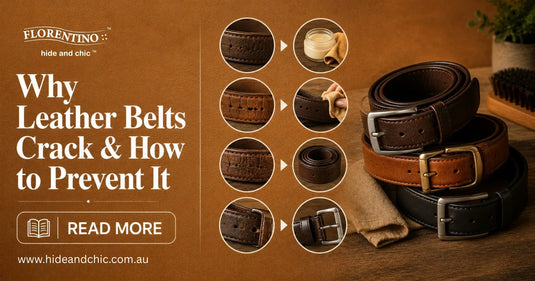
A premium leather belt is one of the most reliable accessories in any wardrobe. Yet even high-quality belts can lose their appearance over time if they are not properly maintained. One of the most common problems people face is leather belt cracking.
Leather belt cracking does not happen overnight. It develops gradually through dryness, poor storage, friction, neglect, and exposure to environmental stress. Many people assume leather damage is simply a part of aging, but in reality, proper care can significantly extend the life and appearance of a leather belt.
Understanding why leather belts crack and how to prevent them is essential for anyone investing in premium leather accessories. Whether you are a retail customer building a timeless wardrobe or a wholesaler sourcing durable leather products, leather maintenance tips play a major role in the long-term value of your products.
In this detailed leather belt care guide, we explain the real causes of leather belt cracking, how to prevent dry leather cracking, and the best leather care practices for maintaining premium leather belts.
What Causes Leather Belt Cracking?
Leather is a natural material that contains oils and fibres that contribute to its flexibility and durability. Over time, when leather loses moisture and natural oils, it becomes dry and brittle. Once flexibility decreases, repeated bending and tension begin creating visible cracks across the surface.
Dryness Is the Biggest Cause of Cracking
The most common reason for a leather belt cracking is a lack of moisture. Leather requires occasional conditioning to maintain flexibility. Without proper care, the fibres stiffen and weaken.
This often happens because of:
-
Excessive exposure to direct sunlight or heat sources can slowly remove the leather's natural oils.
-
Storing belts in dry environments with poor airflow can cause the leather to become rigid and brittle over time.
-
Neglecting regular conditioning routines that help maintain softness, flexibility, and durability within genuine leather.
-
Frequent bending around the same belt holes creates pressure points that eventually weaken untreated leather fibres.
Premium leather products naturally age beautifully when maintained properly. However, neglected leather deteriorates much faster regardless of price or quality.
Low-Quality Leather Materials Crack Faster
Not all leather belts are made equally. Genuine full-grain leather belts typically last much longer than bonded or synthetic alternatives because they retain stronger natural fibre structures.
Lower-quality belts often use processed leather scraps combined with artificial coatings. While these may look polished initially, they are more likely to peel, split, or crack with regular use.
At Hide & Chic, genuine leather craftsmanship remains central to product quality because durability begins with premium raw materials.
3 Everyday Habits That Damage Leather Belts

Many people unintentionally shorten the lifespan of their leather belts through daily habits.
Over-Tightening Weakens the Leather
Pulling belts excessively tight creates unnecessary strain near the buckle and adjustment holes. Over time, repeated tension weakens the leather structure and increases the risk of the leather belt cracking.
Choosing the correct belt size is important not only for comfort but also for preserving shape and durability.
Sweat and Moisture Affect Leather Condition
Leather naturally absorbs moisture. Sweat, humidity, and water exposure can gradually damage the fibres if belts are not allowed to dry properly afterwards.
This is especially common with belts worn frequently during warmer conditions or long workdays.
Poor Storage Accelerates Dryness
Rolling belts too tightly or leaving them folded for extended periods places stress on the leather surface. Hanging belts properly or storing them flat helps maintain their structure and flexibility.
3 Step Leather Belt Care Guide to Prevent Dry Leather Cracking

A consistent leather care routine for belts helps preserve appearance, flexibility, and durability for years.
1. Clean Your Belt Regularly
Dust, sweat, and dirt accumulate on leather over time. Use a soft, dry cloth or a slightly damp microfiber cloth to wipe the surface gently after regular wear.
Avoid harsh chemical cleaners because they can strip natural oils from the leather.
2. Use a Quality Leather Conditioner
Applying conditioner is one of the most important steps in any leather belt care guide. Conditioning replenishes moisture and prevents stiffness that leads to cracking.
When choosing the best leather conditioner for belts, look for products designed specifically for genuine leather rather than heavy wax-based products that may clog the surface.
Conditioning every few months is usually enough for regularly worn belts.
3. Allow Leather to Breathe Naturally
Leather performs best when stored in cool, ventilated spaces away from direct sunlight and excessive humidity.
Avoid sealing belts in airtight containers for long periods, as airflow helps maintain natural leather balance.
Best Leather Maintenance Tips for Long-Term Durability
High-quality leather belts can last for many years when properly cared for. Consistency matters more than aggressive treatment.
Here are some practical leather maintenance tips that help extend belt life significantly:
-
Rotate multiple belts instead of wearing the same one daily, allowing the leather to recover naturally between uses.
-
Store belts vertically or flat to reduce unnecessary bending pressure, which contributes to long-term cracking.
-
Apply leather conditioner lightly and evenly rather than over-saturating the surface, which may weaken the leather's structure over time.
-
Keep belts out of prolonged sunlight exposure, as UV radiation accelerates drying and fibre deterioration.
A thoughtful care routine not only improves appearance but also supports sustainable consumption by reducing unnecessary replacement purchases.
Concluding Thoughts on Leather Belt Cracking
Understanding the causes of leather belt cracking is the first step toward protecting your investment in premium leather accessories.
Dryness, poor storage, over-tightening, and low-quality materials all contribute to cracking over time. However, with proper maintenance, conditioning, and careful storage, genuine leather belts can retain their appearance and flexibility for years.
If you are looking to buy leather belts online, Hide & Chic continues to deliver premium leather accessories crafted with durability, timeless design, and genuine craftsmanship.
Whether you are purchasing for personal style or sourcing products for retail and wholesale partnerships, investing in high-quality leather belts paired with proper care always delivers long-term value.
Protect Your Leather Investment with Hide & Chic

Premium leather belts crafted from full-grain or top-grain leather maintain flexibility and structural strength far better than synthetic alternatives. Superior stitching, edge finishing, and buckle reinforcement also improve longevity.
At Hide & Chic, leather craftsmanship focuses on balancing timeless style with long-term durability. Every belt is designed to withstand regular wear while maintaining a refined appearance over time.
For retailers and wholesale buyers, investing in high-quality leather accessories creates stronger customer satisfaction because durability directly influences perceived product value.
Explore Hide & Chic’s collection of premium genuine leather belts designed for durability, style, and long-lasting wear. Looking for wholesale opportunities or premium retail accessories? Connect with our team to discover expertly crafted leather solutions built for modern lifestyles.
FAQs about Leather Belts Cracking
1. Can cracked leather belts be repaired?
Minor surface cracks can sometimes be improved with conditioning products, but deep cracks are usually permanent and difficult to restore completely.
2. How often should I condition my leather belt to prevent dry leather cracking?
Most genuine leather belts benefit from conditioning every few months, depending on usage, climate, and storage conditions.
3. Does water damage leather belts permanently?
Excessive moisture can damage leather if not dried properly, but quick drying and conditioning may help minimise long-term effects.
4. Why do cheaper leather belts crack faster?
Lower-quality belts often use bonded leather or synthetic coatings that lack the strength and flexibility of full-grain leather.
5. Does sunlight lead to leather belt cracking?
Yes, prolonged exposure to sunlight dries out natural leather oils and increases the risk of fading, stiffness, and cracking.